
Lawn Fertilization Service in Fayetteville, NC
Sandhills soil drains fast and lets nutrients wash away. A feeding plan timed to your grass keeps the lawn thick, green, and ready for summer heat.
Why Feed Your Fayetteville Lawn
Much of the ground around Fayetteville is sandy. Rain moves through it quickly and takes nutrients along, so grass runs low sooner than it would in heavier soil. Here is what a steady feeding plan does.
Steady Nutrients
Sandy soil does not hold food for long. Several lighter feedings through the season keep nutrients in the root zone instead of letting one big dose wash past.
Thicker, Greener Grass
Well-fed grass grows more blades and fuller color. A dense lawn looks better and stands up to foot traffic, pets, and kids.
Fewer Weeds
Weeds move in where grass is thin. A healthy lawn fills those gaps first, so weeds have less ground to take.
Better Summer Stress Recovery
Grass that has been fed on time bounces back faster from heat, mowing, and dry spells. It also fills in after wear much sooner.
How Our Lawn Fertilization Works
Step 1
Look at the Lawn and Soil
We check what grass you have, how thick it is, and how the soil looks. A soil test can show pH and low nutrients when we need a closer look.
Step 2
Build Your Schedule
Bermuda, Zoysia, Centipede, and fescue are not fed the same way. We set the calendar and products to fit your grass, not a one-size plan.
Step 3
Apply on Time
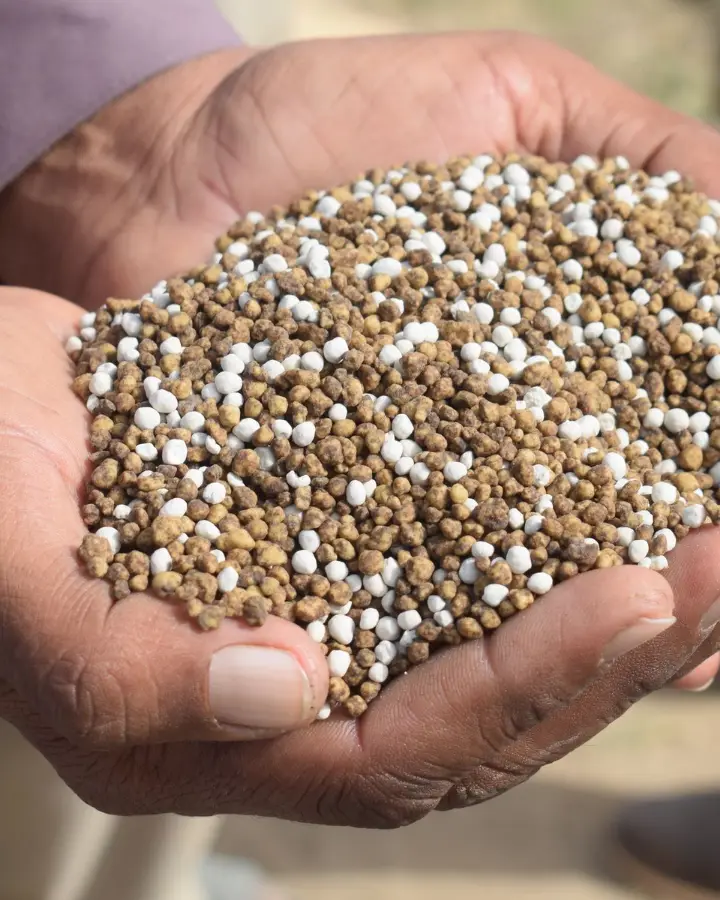
We spread each feeding when the grass can use it, following the product label for rates and watering. We keep granules off driveways and walks.
Step 4
Check and Adjust
Between visits we watch how the lawn responds. If color, growth, or weeds tell us something, we change the next feeding.
Signs Your Lawn Needs Fertilizer
Not sure if your lawn is hungry? These are common signs around Fayetteville. One or two of them can mean the grass needs a feeding plan.
Lawn Fertilization Pricing in Fayetteville, NC
Your price depends on lawn size and how many visits you want, since feeding is quoted by square footage. We need to see the yard before we give you a number.
Larger lots and extra rounds cost more, and we put that in the estimate before you agree to anything.
Ask about adding lawn aeration or weed control to your plan, so each step happens at the right time.
Custom Quote
after a free look at your lawn
Getting Your Lawn Ready for Fertilizer
A little prep helps each feeding work. These steps matter most.
When to Fertilize Your Lawn in Fayetteville, NC
Feed grass while it is actively growing, because that is when it can use the food. Warm-season and cool-season lawns grow at different times, so their calendars are different.
April to May
Bermuda and Zoysia: Spring Start
Hold off until the lawn has greened up and started to grow, then begin feeding. Feeding too early mostly helps weeds.
June to August
Warm-Season Summer Feeding
Bermuda usually gets a feeding every several weeks while it grows hard. Zoysia needs less and Centipede needs very little.
September to November
Fescue: Fall Is the Main Season
Tall fescue grows best in cool weather. Most of its feeding goes down in fall, with a lighter feeding in early spring if needed.
Late Fall and Winter
When Not to Fertilize
Skip warm-season grass once it goes dormant, and go easy on fescue in summer heat. Grass that is not growing cannot use the food, and rain can wash it away.
Slow-Release vs Quick-Release Fertilizer
The product matters as much as the date. Here is how the two main types compare on a Fayetteville lawn.
|
Compared |
Slow-Release |
Quick-Release |
|---|---|---|
|
How it feeds |
Gives nutrients out over several weeks |
Gives nutrients out right away |
|
Greening |
Steady, even color |
Fast color that can fade sooner |
|
Burn risk |
Lower when applied correctly |
Higher if over-applied |
|
Sandy soil |
Holds up better against washout |
More likely to wash through |
|
Typical use |
Main feedings through the season |
Quick boosts when a lawn needs one |
Bermudagrass Feeding
Bermuda is a heavy feeder in summer. It does best with regular feedings from late spring until late summer, then a rest as it slows down.
Zoysia Grass Feeding
Zoysia grows slowly and needs less food than Bermuda. A few well-timed feedings keep it dense without adding thatch.
Tall Fescue Feeding
Fescue gets most of its food in fall, when roots grow and the lawn thickens for next year. Heavy summer feeding can stress it.
Centipede Grass Feeding
Centipede needs little fertilizer, and too much nitrogen can hurt it. We keep the plan light and look at the soil first.
What to Do After We Fertilize
A few simple habits help the food reach the roots. Here is what to do.
What Wastes Fertilizer in Fayetteville
Feeding works best when a few basics are covered. These habits can waste the product or hurt the grass.
Feeding at the Wrong Time
Food put down on dormant grass or in heavy heat does little. Match each feeding to the season your grass is actually growing in.
Skipping the Watering Step
Granules left sitting on the leaves can burn the grass. Follow the label and water the lawn in when it says to.
Over-Applying
More is not better. Extra fertilizer can burn grass, wash into storm drains, and cost you money for nothing.
Mowing Too Short
Short, stressed grass cannot use what you feed it. Keep the mower set to the height your grass prefers.
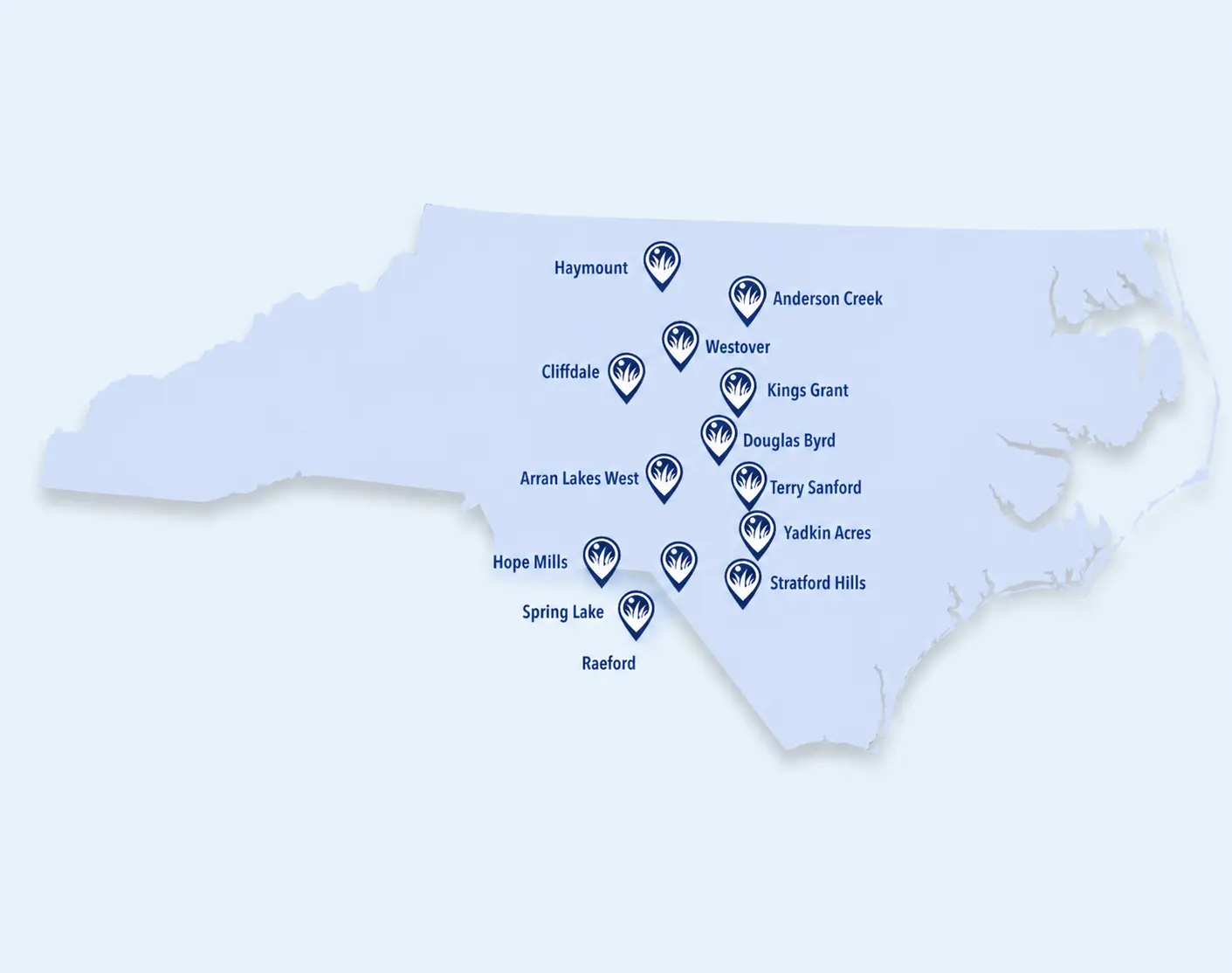
Where We Fertilize Lawns Around Fayetteville
We feed lawns across Fayetteville and Cumberland County. Here are some of the areas we serve.
Frequently Asked Questions – Lawn Fertilization Service Fayetteville NC
Get a Lawn Fertilization Estimate in Fayetteville, NC
Share a few details about your yard and we will set up a visit. You get a free estimate, a clear plan, and the price in writing before any work is booked.