
Lawn Aeration Service in Fayetteville, NC
Compacted soil starves grass roots. Core aeration opens up the ground so water, air, and nutrients can reach them, and your lawn can grow thicker and stronger.
Why Aerate Your Fayetteville Lawn
Soil around Fayetteville runs from sandy to heavy clay, and many newer lots were packed down during construction. Hard, tight soil is tough on grass roots. Here is how aeration helps.
Less Compaction
A core aerator pulls small plugs of soil out of the lawn. That leaves room for roots to spread deeper instead of fighting hard ground.
Better Water Flow
Water soaks in instead of running off or pooling on top. On hard, compacted soil, much of it never reaches the roots.
Fertilizer That Works
Open holes give fertilizer a path down to the root zone. Your feeding program has a better chance of doing its job.
Thicker Turf, Easier Overseeding
Open soil helps new seed make good contact with the ground. It also helps thin spots fill in, which leaves less room for weeds. Pair it with weed control for the best results.
How Our Lawn Aeration Process Works
Step 1
Check the Lawn and Soil
We look at your grass type, see how hard the soil is, and mark anything in the way, like sprinkler heads and shallow lines.
Step 2
Pick the Right Timing
Fescue and warm-season grasses like Bermuda and Zoysia need aeration at different times. We schedule yours for when your grass can recover fastest.
Step 3
Pull the Cores
A core aerator makes passes across the lawn and leaves small plugs of soil on top. They break down on their own in a couple of weeks.
Step 4
Plan the Follow-Up
Right after aeration is a good time to overseed or feed the lawn. We tell you what comes next and when.
Signs Your Lawn Needs Aeration
Not sure whether your soil is compacted? These are the signs to look for around Fayetteville and the Sandhills. Any one of them can mean the soil is too tight.
Lawn Aeration Pricing in Fayetteville, NC
What aeration costs comes down to lot size, grass type, how tight the soil is, and whether you want overseeding added. We need to see the lawn before we give you a number.
Big lots, hard clay, and yards full of obstacles take longer, and we say so in the estimate before you agree to anything.
Ask about booking aeration together with overseeding or fertilizing, so each step lands at the right time.
Custom Quote
after a free look at your lawn
Getting Your Lawn Ready for Aeration
A little prep makes the visit go smoothly. These steps help the most.
When to Aerate Your Lawn in Fayetteville, NC
Aerate while your grass is actively growing so it can fill in the holes fast. Cool-season and warm-season lawns reach that point at different times. This is the usual calendar around Fayetteville.
September to Mid-October
Fescue: Fall Aeration
Tall fescue grows best when the weather cools down. Aerating in fall and overseeding right after is the best plan for most fescue lawns.
May to June
Bermuda and Zoysia: Late Spring
Warm-season grasses grow fastest once the weather heats up. Late spring to early summer is the right window for Bermuda and Zoysia.
March to April
Fescue: Optional Spring Pass
Some fescue lawns get a lighter second aeration in early spring. Fall is the main time, so ask us whether your lawn needs a spring pass at all.
Midsummer and Winter
When Not to Aerate
Skip fescue in the summer heat, and skip Bermuda and Zoysia while they are dormant in winter. Stressed or sleeping grass cannot recover from the holes, and weeds can move into open soil.
Core Aeration vs Spike Aeration
These two methods sound alike, but they work very differently. Core aeration is the one that helps compacted soil.
|
Compared |
Core Aeration |
Spike Aeration |
|---|---|---|
|
What it does |
Pulls out small plugs of soil |
Pokes holes with solid spikes |
|
Compaction |
Opens the soil and eases compaction |
Can press soil tighter around each hole |
|
Best for |
Clay soil, heavy traffic, thin lawns |
Light touch-ups on loose soil |
|
Mess |
Leaves plugs on the lawn for a few weeks |
Leaves almost no mess |
|
Typical use |
Once a year for most lawns |
Not the main choice for hard soil |
Bermudagrass Aeration
Bermuda grows fast and builds thatch. Aerating in late spring helps break up thatch and keeps the lawn dense.
Zoysia Grass Aeration
Zoysia is slow to recover, so timing matters. A late-spring aeration lets it breathe, and we do not rush the schedule.
Tall Fescue Aeration
Fescue struggles through Fayetteville summers. Fall aeration with overseeding helps thin lawns thicken before the next summer.
Centipede Grass Aeration
Centipede has shallow roots and seldom needs aeration. We check the lawn first and tell you if it is worth doing.
What to Do After We Aerate
The first few weeks matter. Here is how to help your lawn recover.
What Works Against a Healthy Lawn in Fayetteville
Aeration works best when the rest of your lawn care is on track. These habits can undo the benefits.
Mowing Too Short
Cutting too low weakens roots, and weak roots cannot use the room aeration gives them. Keep the mower set to the height your grass prefers.
Light Daily Watering
Shallow watering keeps roots near the surface. Water deeper and less often so roots follow the moisture down.
Aerating at the Wrong Time
Aerating in heat, drought, or dormancy stresses the grass. Pick the window that fits your grass type.
Skipping the Follow-Up
Aeration opens the soil for a short time. Overseeding, feeding, and watering afterward make the work pay off.
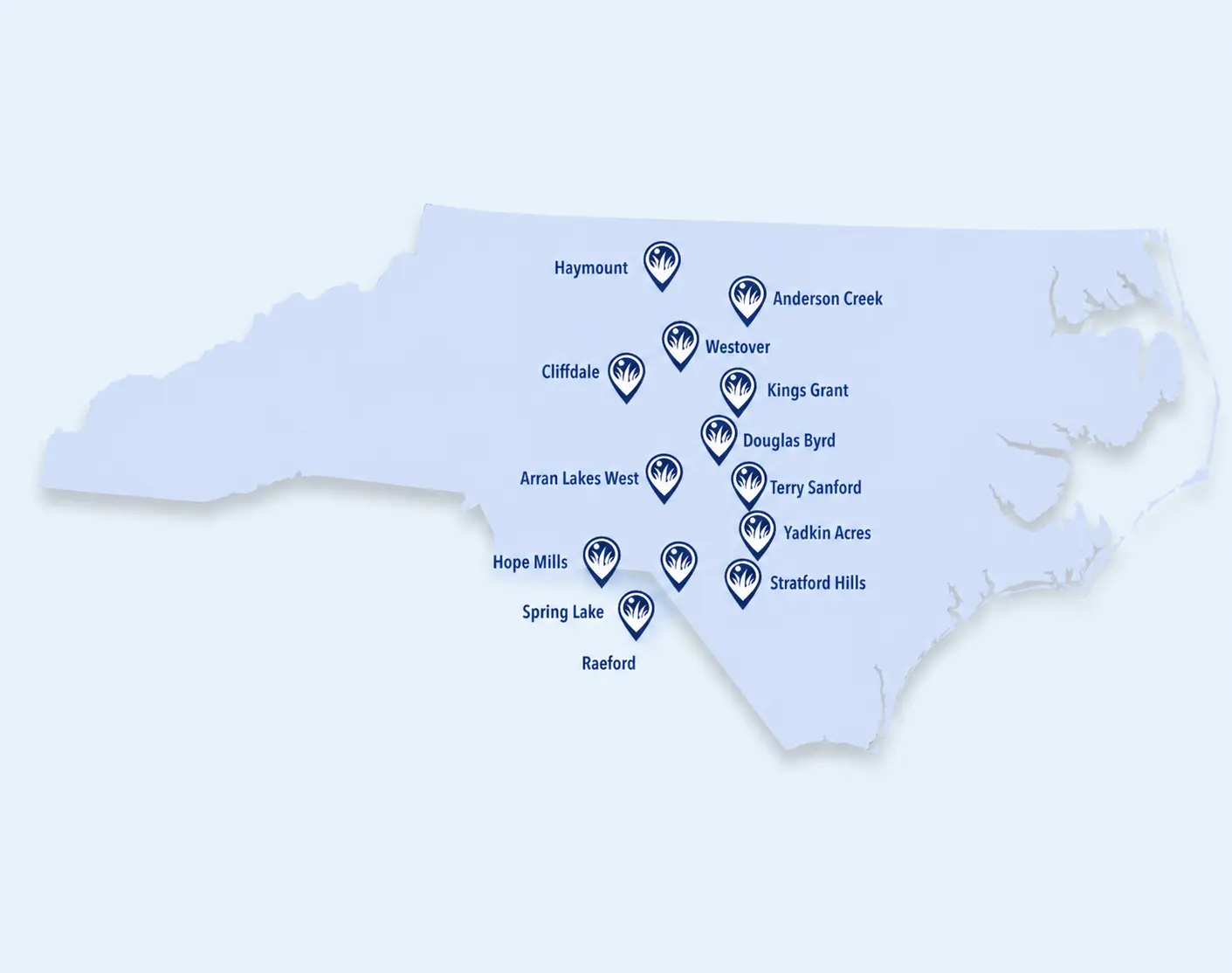
Where We Aerate Lawns Around Fayetteville
Our aeration visits cover Fayetteville and the rest of Cumberland County, including the neighborhoods and towns below.
Frequently Asked Questions – Lawn Aeration Service Fayetteville NC
Get a Lawn Aeration Estimate in Fayetteville, NC
Tell us about your lawn and we will come out and see it. You get a free estimate, a simple plan, and the price in writing before anything is booked.