
Lawn Pest Control in Fayetteville, NC
Armyworms, grubs, and fire ants can wreck a lawn fast. We help you spot the problem early and deal with it before the damage spreads.
Why Lawn Pest Control Matters
Lawn pests do their damage out of sight. By the time the grass turns brown, the harm is often well underway. Here is why acting early pays off.
Protects Your Grass
Grubs eat roots and armyworms chew blades. Either one can turn a thick lawn into brown, thin patches in a short time.
Saves Money
Fixing a small problem costs less than rebuilding a lawn. Catching pests early often means less repair work later.
Safer Yard
Fire ant mounds make a yard hard to use. Controlling them keeps kids, pets, and guests from painful stings.
Better Curb Appeal
A lawn free of dead patches, mounds, and chewed turf looks cared for. That helps your whole property look its best.
How Our Lawn Pest Control Works
Step 1
Inspect the Lawn
We walk the yard, check the turf, and look for signs of pests, such as chewed blades, loose sod, and mounds.
Step 2
Find the Cause
Not every brown patch is a pest problem. We check for drought, disease, and mowing damage before we suggest any treatment.
Step 3
Treat the Problem
We recommend a plan for the pest we find and explain what it will do. You know the plan and the price before we start.
Step 4
Follow Up
We tell you what to watch for after treatment and when to call us. If the lawn needs repair, we talk through those next steps too.
Signs Your Lawn Has Pests
Not sure if pests are the cause? These are the signs we hear about most around Fayetteville. Any one of them is a good reason to call.
Lawn Pest Control Pricing in Fayetteville, NC
The price depends on lot size, the type of pest, and how far the problem has spread. We need to see the lawn before we give you a number.
Bigger lots and heavy infestations take more time, and we say so in the estimate before you agree to anything.
Ask about combining pest control with your regular lawn fertilization plan, so the lawn gets the care it needs all year.
Custom Quote
after a free look at your lawn
Getting Your Lawn Ready for Treatment
A little prep helps the visit go smoothly. These steps help the most.

When to Treat Lawn Pests in Fayetteville, NC
Each pest has its own season. Timing matters, because the wrong time can mean the treatment misses the pest.
May to July
Early Summer: Grub Prevention
Grubs hatch in early summer and start feeding on roots. This is often the best time to plan ahead for them.
August to October
Late Summer and Fall: Armyworms
Armyworms tend to show up in late summer and fall. They can strip a lawn in days, so quick action matters.
March to October
Fire Ants: Warm Months
Fire ants are active when the weather is warm. Mounds can pop up quickly after rain, so check the yard often.
Winter
When Pests Slow Down
Most lawn pests are quiet in the cold months. Winter is a good time to plan next year, so ask us about a schedule.
Prevention vs Treating Damage
Stopping pests before they strike is usually easier than fixing the damage afterward. Here is how the two approaches compare.
|
Compared |
Prevention Plan |
Treat When Found |
|---|---|---|
|
Best for |
Lawns that had pests before |
Lawns with active damage now |
|
Timing |
Planned ahead for the season |
After signs show up |
|
Damage |
Often avoided |
May already be done |
|
Repair work |
Usually less |
Often needed |
|
Effort for you |
Set it up once |
Call when you spot trouble |
Armyworms
Armyworms are caterpillars that chew grass blades, often in large groups. A lawn can look fine one day and ragged a few days later.
White Grubs
Grubs live in the soil and eat grass roots. Damaged turf lifts easily, and birds or moles may start digging for them.
Fire Ants
Fire ants build dirt mounds in lawns and sting when disturbed. They are common in the Sandhills and hard to ignore.
Mole Crickets
Mole crickets tunnel through the soil and feed on roots. They tend to bother warm-season lawns, like Bermuda grass.
What to Do After We Treat Your Lawn
The weeks after treatment matter. Here is how to help your lawn bounce back.

What Makes Lawn Pests Worse in Fayetteville
A few habits make pest problems worse than they need to be. These are the ones we see most often.
Overwatering
Too much water can attract pests and invite disease. Water deeply but less often so the soil can dry between waterings.
Cutting Grass Too Short
Low mowing stresses the turf, which makes it harder to fight off damage. Keep the mower set to the right height.
Waiting Too Long
Pests spread fast. A small brown patch today can be a big one next week, so call us when you first notice a problem.
Guessing at the Cause
Treating the wrong problem wastes time and money. We find out what is wrong first, then recommend a plan.
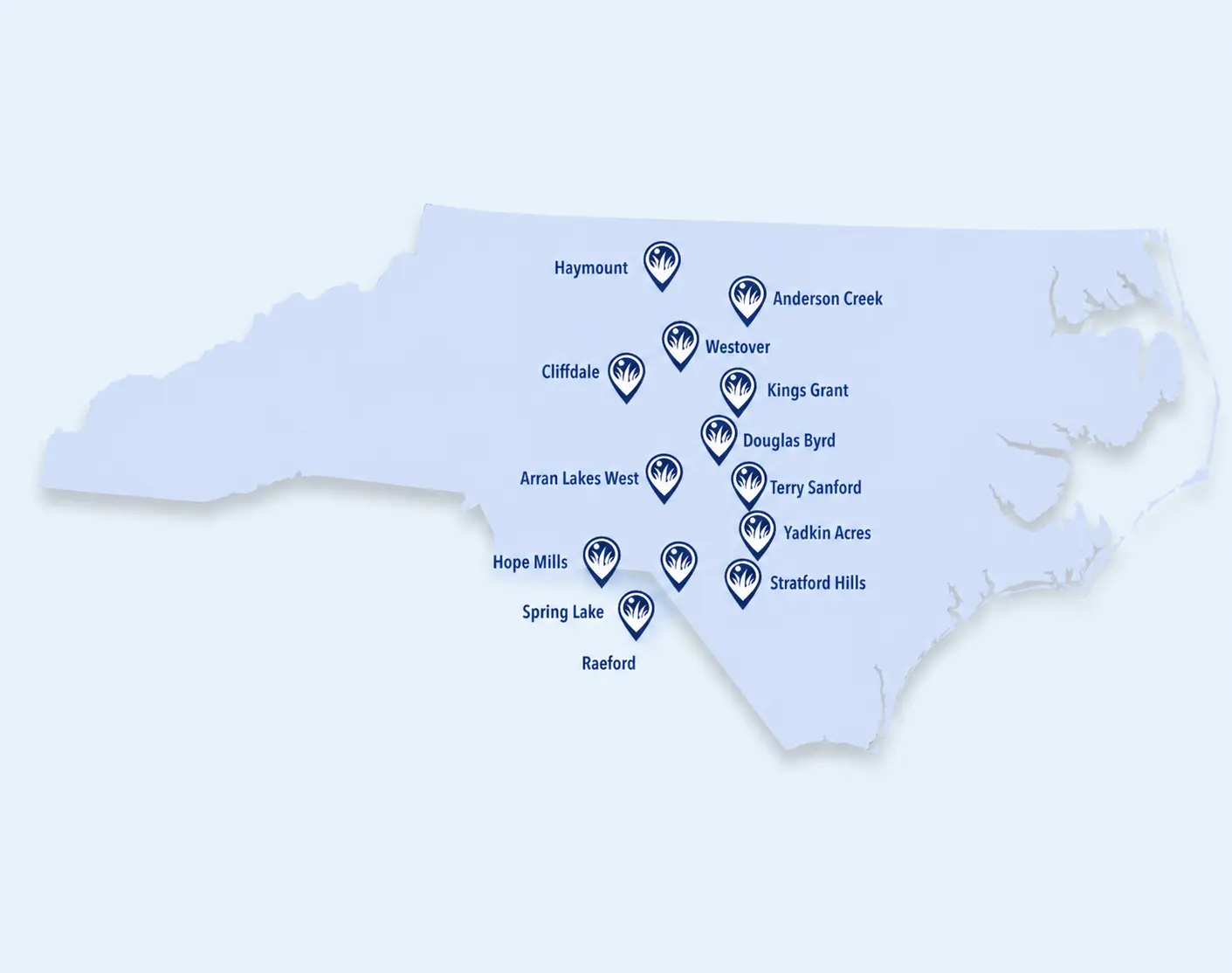
Where We Treat Lawn Pests Around Fayetteville
We handle lawn pest control across Fayetteville and Cumberland County. These are some of the areas we serve.
Frequently Asked Questions – Lawn Pest Control Fayetteville NC
Get a Lawn Pest Control Estimate in Fayetteville, NC
Tell us about your lawn and we will come out and see it. You get a free estimate, a simple plan, and the price in writing before any work is booked.