
Lawn Brown in Winter in Fayetteville? It’s Probably Dormant
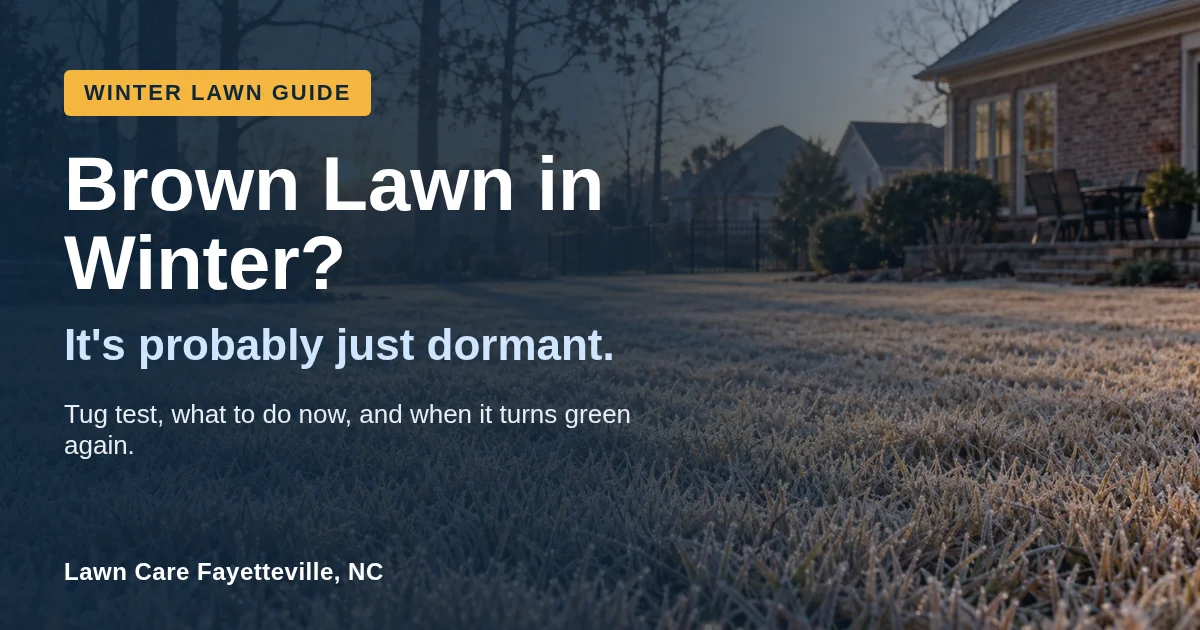
Is your lawn brown in winter in Fayetteville? Take a breath. In most yards, the grass is not dead. It is dormant, which means it is resting until the weather warms up. This guide shows you how to tell the difference, what to do now, and what to skip so your lawn greens up fast in spring.
Short Answer: Brown in Winter Is Normal
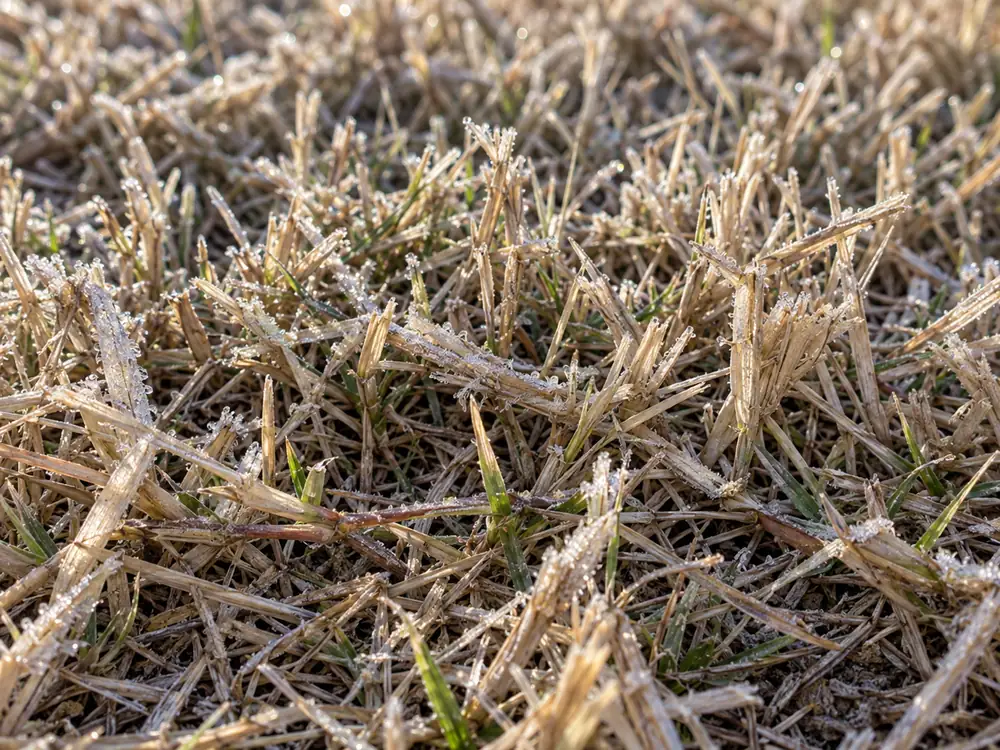
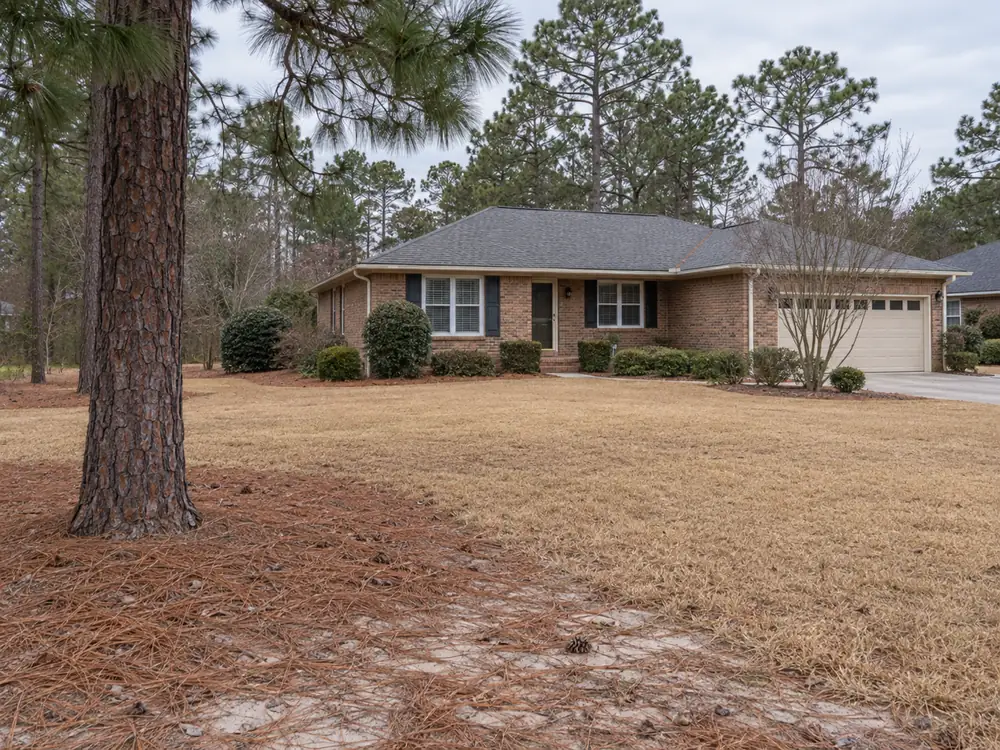
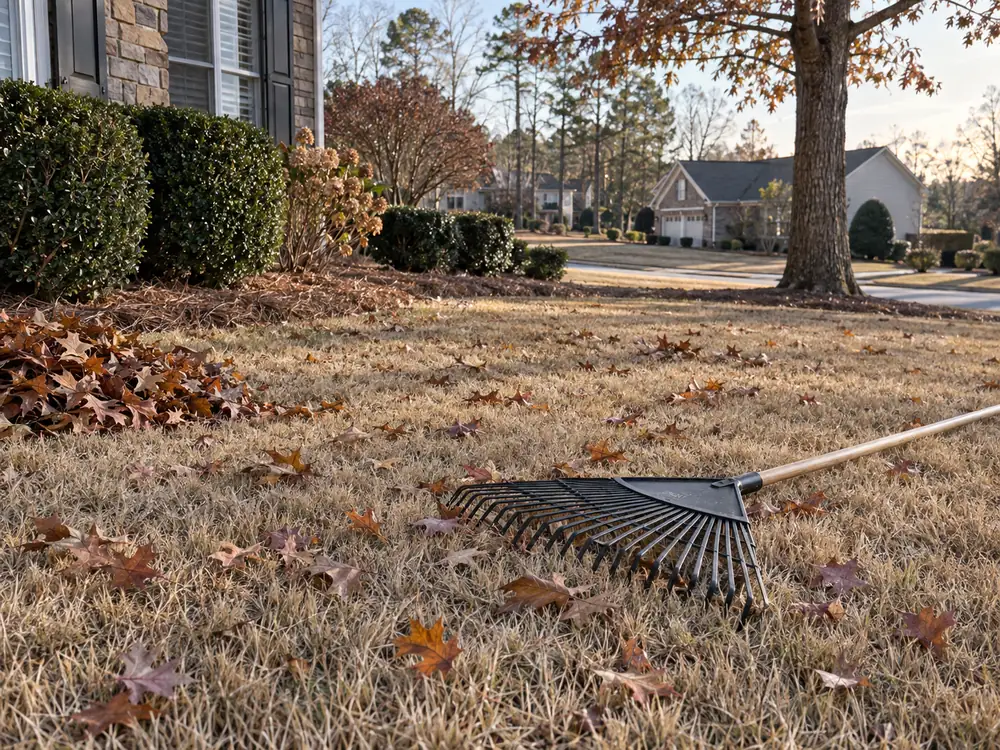
Most lawns in Fayetteville and Cumberland County are warm-season grass. These grasses grow hard in summer. When nights turn cold in late fall, they slow down and fade to tan or straw brown. They stay that way through winter, usually until spring.
Think of it like a bear in winter. The grass is asleep, not gone. The roots, runners, and crowns near the soil are still alive. When the soil warms up, new green blades push up from them.
Which Grasses Go Dormant in Fayetteville?
Three warm-season grasses are common in our area. All three turn brown in winter.
Tall fescue is different. It is a cool-season grass, so it stays mostly green in winter. If your whole lawn is brown from December to March, you most likely have one of the three grasses above. If you are not sure which one you have, look at the grass in summer. Its color, blade shape, and runners will tell you.
How to Tell Dormant Grass From Dead Grass
A brown lawn can look dead even when it is fine. These simple checks take a few minutes.
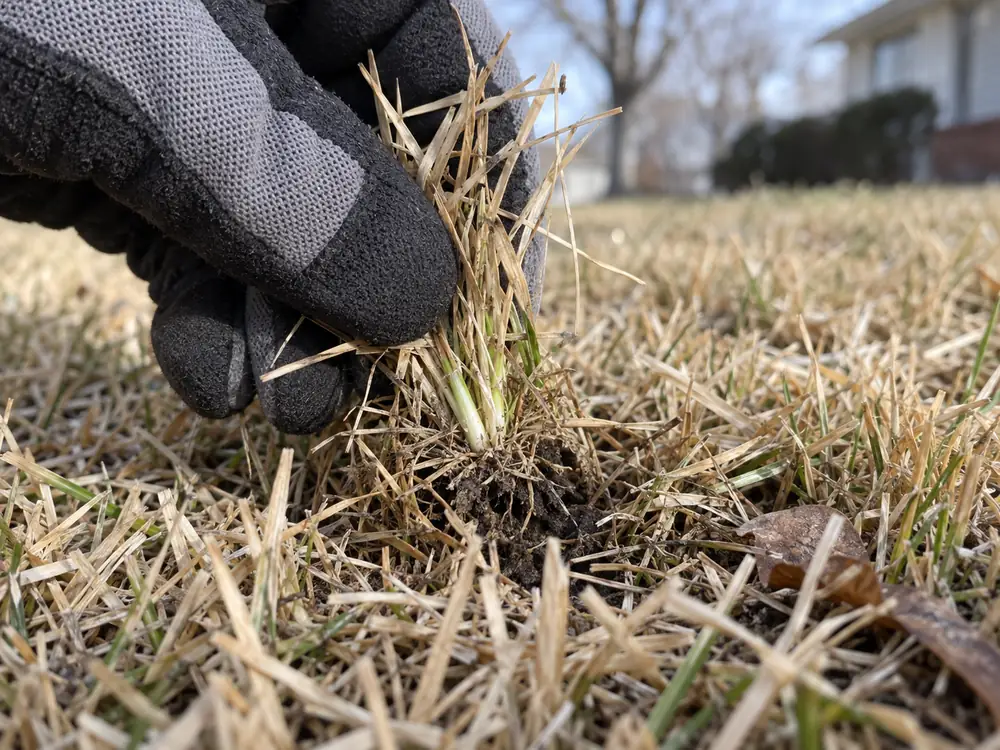
If the tug test and base check both look good, relax. If a patch fails both tests, make a note of where it is. Check it again in late spring. Some patches only look dead until the weather warms.
What to Do for Your Lawn in Winter
A dormant lawn needs less care, but it still needs some. These steps help it wake up strong.
What Not to Do to a Dormant Lawn
These common winter mistakes can slow your spring green-up or hurt the grass.
Winter Problems We See in Sandhills Lawns
Our area has sandy soil, lots of pine trees, and a mix of cold nights and mild days. That brings a few local issues.
If leaves and needles are the main problem, our team can help with leaf removal. For weeds that keep coming back, see our weed control page.
When Will My Lawn Turn Green Again?
There is no single date. Warm-season grass wakes up when the soil warms, not when the calendar changes. In Fayetteville, that is usually in April. After a long, cold winter, it can take longer.
Bermuda tends to wake first. Zoysia often follows, and centipede can be slow to show green. A few warm days in February do not mean spring has come. Wait for steady warm weather before you feed or cut low.
When the grass is growing, that is the time for a first feeding and a clean mowing schedule. You can learn more about those steps on our lawn fertilization and lawn mowing pages.
Winter Lawn Care Quick Checklist
Frequently Asked Questions
Is my lawn dead or dormant?
If the grass holds firm when you tug it and the base near the soil is pale green or white, it is dormant. If it pulls out easily and the base is dark or dry, it may be dead. Check again in spring to be sure.
Should I water a brown lawn in winter?
Only during long dry spells. Dormant grass needs very little water, and too much can cause problems.
Can I overseed a dormant Bermuda or centipede lawn?
We do not suggest it. Warm-season grass grows from its own runners and roots, and winter seeding often fails. A better plan is to feed and care for the lawn once it starts to grow.
Will my brown lawn come back?
In most cases, yes. If your lawn was healthy last summer, it should wake up as the soil warms. Thin spots may need extra care in spring.
Need Help Getting Your Lawn Ready for Spring?
We help homeowners in Fayetteville, Hope Mills, Spring Lake, Raeford, and Eastover keep their lawns healthy all year. If you want a second pair of eyes on your brown lawn, call us at 910-748-5376 or visit our lawn care page to ask for a custom quote.